Orifice Flanges for Flow Measurement: Complete Guide to ASME B16.36 Standards
Understanding Orifice Flanges in Industrial Flow Measurement Systems
Orifice flanges are precision-engineered components designed specifically for differential pressure flow measurement in oil & gas pipelines, petrochemical plants, and power generation facilities. These specialized flanges enable accurate custody transfer metering and process control applications worldwide.
How Orifice Flange Assemblies Work
An orifice flange pair creates a controlled flow restriction using a precisely machined orifice plate. The system includes:
- Pressure Taps: Radially drilled holes (1/2, 3/4, or 1 inch NPT) positioned per ASME B16.36 specifications
- Orifice Plate: Thin plate with calibrated bore creating measurable pressure differential
- Jack Screws: Enable plate removal without cutting the pipeline
- Flange Taps: Located 1 inch from orifice plate faces (AGA Report No. 3/API 2530 standard)
ASME B16.36 Orifice Flange Specifications
Governing Standard: ASME B16.36 / ASME B16.48
Size Range: 1 inch through 24 inch NPS (larger available as specials)
Pressure Classes: 300#, 400#, 600#, 900#, 1500#, 2500# (Class 150# not available)
Common Materials: A105 Carbon Steel, SA-182 F304/F304L, F316/F316L Stainless Steel, A350 LF2
Facing Options: Raised Face (RF), Ring Type Joint (RTJ)
Flow Standards: API 2530, ISO 5167, AGA Report No. 3
Pressure Tapping Configurations
Flange Taps (Most Common): Standard for North American applications per ASME B16.36, positioned 1 inch from orifice plate faces.
Corner Taps: European practice per ISO 5167, located immediately adjacent to plate faces.
D and D/2 Taps: Pipe taps with upstream tap at one pipe diameter upstream, downstream at D/2.
Material Selection for Orifice Flanges
Carbon Steel (A105/SA-105): Standard material for oil, gas, and petrochemical applications. Temperature range: -20°F to 800°F depending on pressure class.
Stainless Steel (F304/F304L, F316/F316L): Required for corrosive service, chloride environments, marine applications, and food-grade processing. F316L offers superior pitting resistance.
Low-Temperature Carbon Steel (A350 LF2): Cryogenic service below -20°F, LNG facilities, cold-climate pipelines. Requires Charpy impact testing per ASME specifications.
Chrome-Moly Alloys (F11, F22, F91): High-temperature power generation and refinery applications. Match alloy grade to ASME code design temperature requirements.
Applications for Orifice Flange Systems
- Custody Transfer Metering: Oil & gas pipelines requiring accurate flow measurement for billing
- Refinery Process Control: Real-time flow data for unit operations management
- Boiler Feedwater Measurement: Power generation facilities
- Water & Wastewater Treatment: Municipal throughput measurement per AWWA standards
- Chemical Processing: Corrosive fluid flow monitoring
- Natural Gas Distribution: City gate stations and industrial metering
Beta Ratio and Flow Range Selection
The beta ratio = orifice plate bore diameter ÷ pipe inside diameter. Optimal beta ratios range from 0.3 to 0.7 per API 2530 guidelines. Lower beta ratios provide wider flow rangeability but higher permanent pressure loss.
Installation Best Practices
- Ensure proper tap orientation (horizontal centerline for liquids, top of pipe for gas)
- Maintain required straight-run pipe lengths upstream and downstream
- Use jack screws for plate removal without pipeline cutting
- Verify orifice plate material compatibility with process fluid
- Follow ASME B31.3/B31.4/B31.8 piping code requirements
- Calibrate differential pressure transmitters per manufacturer specifications
Why Choose Songhai Flanges for Orifice Flange Assemblies
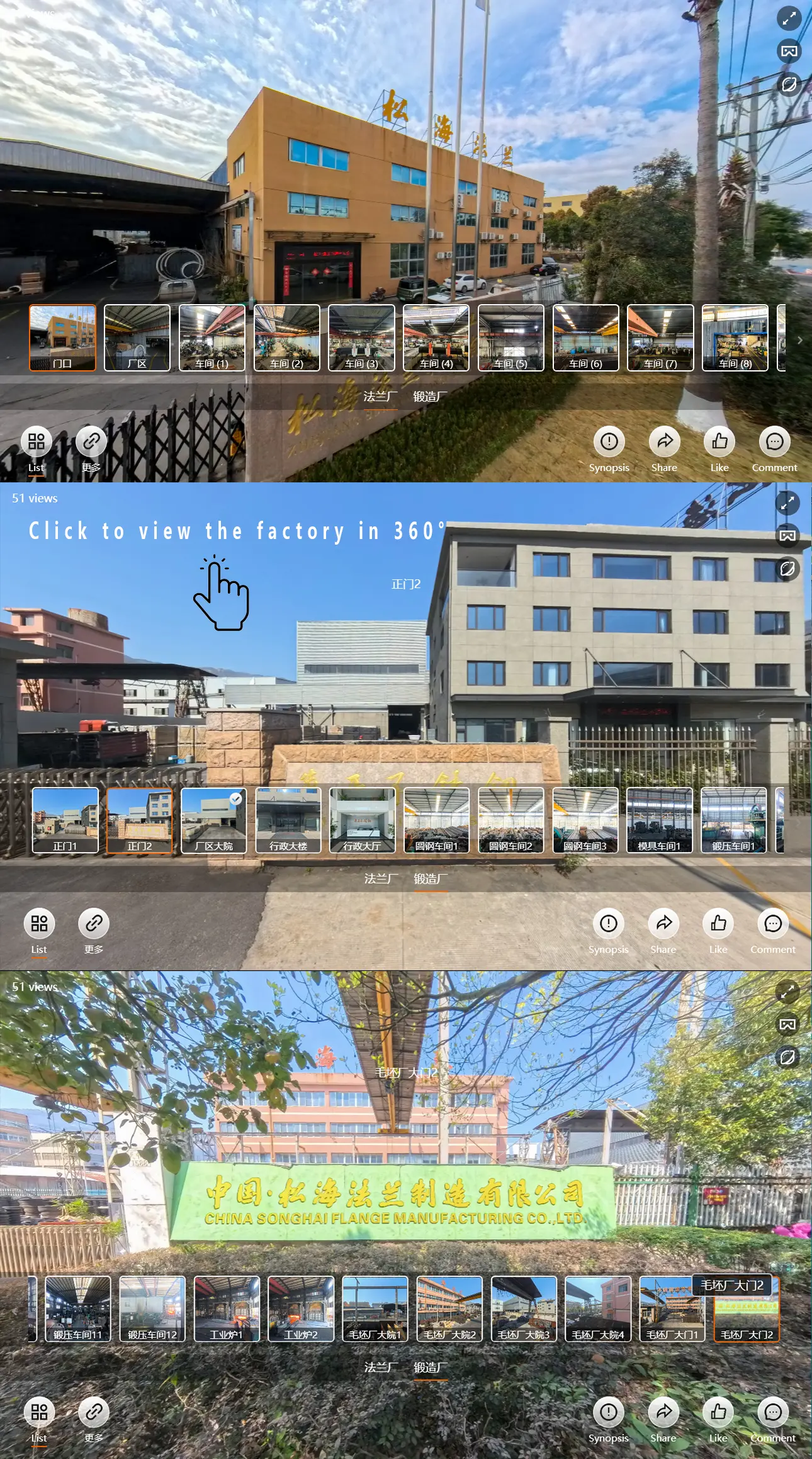
Songhai Flanges manufactures ASME B16.36 compliant orifice flanges with full material traceability, third-party inspection reports, and certification documentation. Our stainless steel and carbon steel orifice flanges serve oil & gas, petrochemical, and power generation industries globally.
WhatsApp: +86-18658777855
Email: 1007788887@qq.com