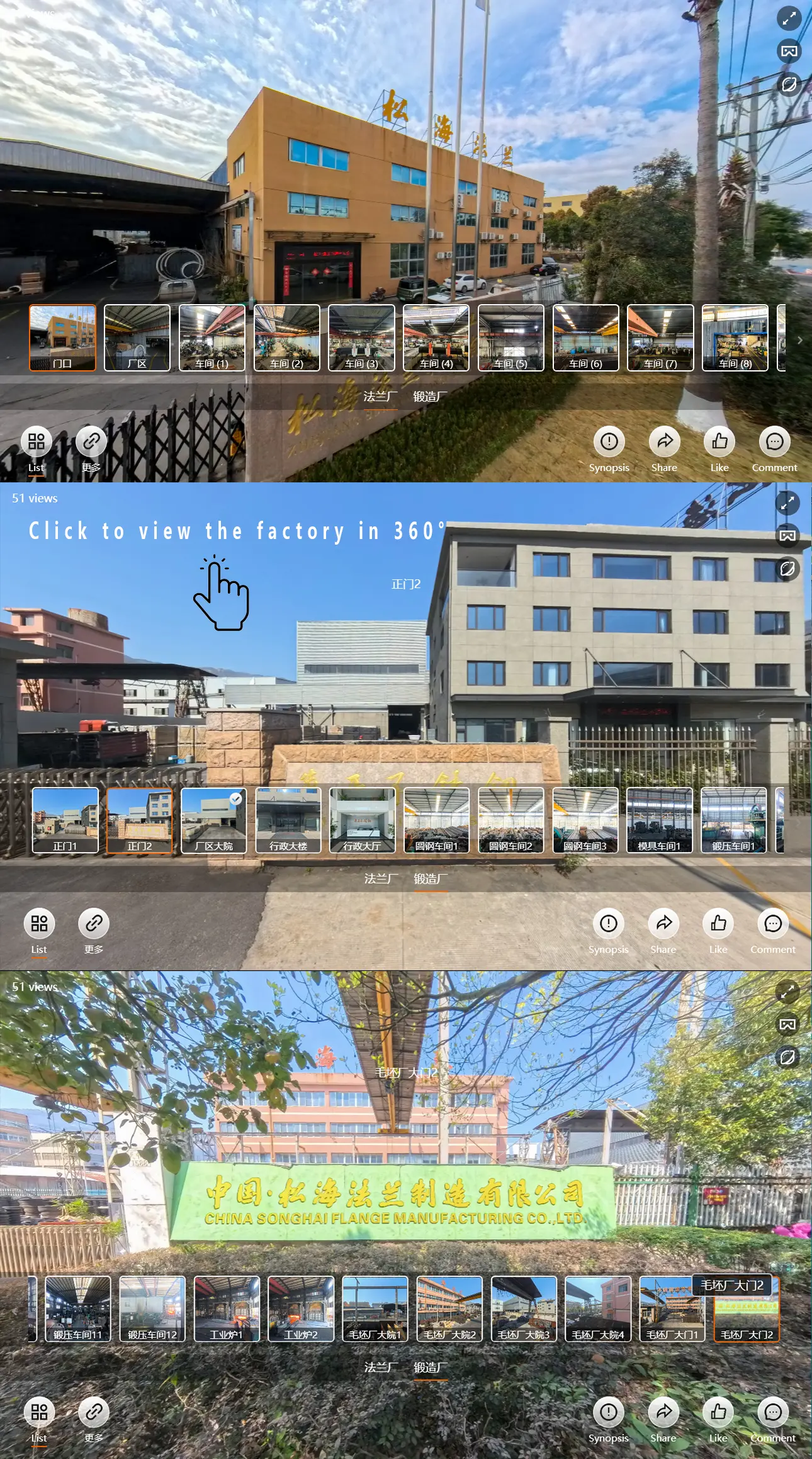
316L Stainless Steel Flanges for High-Pressure Piping: Performance, Applications & Selection Guide
Why 316L Stainless Steel Dominates High-Pressure Piping Applications
In demanding industrial environments where corrosion resistance, mechanical strength, and reliability are non-negotiable, 316L stainless steel flanges have become the material of choice for high-pressure piping systems. This comprehensive guide explores the unique properties, applications, and selection criteria for 316L flanges in critical service conditions.
What Makes 316L Stainless Steel Special?
316L is an austenitic chromium-nickel-molybdenum stainless steel with superior corrosion resistance compared to standard 304/304L grades. The key differentiator is the molybdenum content (2-3%), which dramatically improves resistance to:
- Chloride-induced pitting and crevice corrosion
- Sulfuric acid and other reducing acids
- Marine and coastal environments
- Chemical processing conditions
The “L” designation indicates low carbon content (≤0.03%), which minimizes carbide precipitation during welding and eliminates the need for post-weld annealing in most applications.
Chemical Composition of 316L Stainless Steel
| Element | Percentage (%) |
|---|---|
| Chromium (Cr) | 16.0 – 18.0 |
| Nickel (Ni) | 10.0 – 14.0 |
| Molybdenum (Mo) | 2.0 – 3.0 |
| Carbon (C) | ≤ 0.03 |
| Manganese (Mn) | ≤ 2.0 |
| Silicon (Si) | ≤ 0.75 |
| Phosphorus (P) | ≤ 0.045 |
| Sulfur (S) | ≤ 0.03 |
| Iron (Fe) | Balanced |
Mechanical Properties for High-Pressure Service
316L flanges deliver excellent mechanical performance across a wide temperature range:
- Tensile Strength: 485 MPa minimum
- Yield Strength (0.2% offset): 170 MPa minimum
- Elongation: 40% minimum
- Hardness: 217 HB maximum
These properties make 316L suitable for pressure classes ranging from Class 150 to Class 2500, depending on size and temperature conditions.
Temperature Limitations
Understanding temperature limits is critical for safe operation:
- Continuous service: Up to 870°C (1600°F)
- Intermittent service: Up to 925°C (1700°F)
- Cryogenic service: Excellent down to -196°C (-320°F)
- Sensitization range: 425-815°C (avoid prolonged exposure)
For high-pressure applications above 400°C, consider the reduced allowable stress values per ASME B16.5 pressure-temperature ratings.
Key Applications for 316L Flanges
1. Oil & Gas Processing
Offshore platforms, refineries, and LNG facilities rely on 316L flanges for seawater cooling systems, sour gas service, and chloride-containing process streams. The molybdenum content provides essential protection against sulfide stress cracking.
2. Chemical & Petrochemical Industry
Acid production, fertilizer manufacturing, and organic synthesis operations use 316L flanges for their resistance to sulfuric acid, phosphoric acid, and chloride salts at elevated temperatures and pressures.
3. Pharmaceutical & Food Processing
Hygienic requirements and cleanability make 316L the standard for sanitary piping systems. Electropolished surfaces meet FDA and 3-A requirements for food and pharmaceutical applications.
4. Marine & Shipbuilding
Seawater piping, ballast systems, and offshore riser connections demand the superior pitting resistance that only 316L can provide in saltwater environments.
5. Power Generation
Nuclear, thermal, and renewable energy facilities specify 316L for feedwater systems, cooling circuits, and chemical injection lines where reliability is paramount.
316L vs 304L: When to Upgrade
While 304L is more economical, 316L becomes necessary when:
- Chloride concentration exceeds 1000 ppm
- Process temperatures exceed 60°C in chloride environments
- Marine or coastal installation
- Sulfuric acid service at any concentration
- Critical applications where failure is not an option
The 20-30% premium for 316L over 304L is justified by extended service life and reduced maintenance costs in aggressive environments.
Manufacturing Standards & Specifications
Quality 316L flanges should conform to:
- ASTM A182 F316L: Forged flange material specification
- ASTM A403 WP316L: Wrought fittings
- ASME B16.5: Dimensional standards (NPS 1/2″-24″)
- ASME B16.47: Large diameter flanges (NPS 26″-60″)
- MSS SP-44: Steel pipeline flanges
- NACE MR0175: Sour service compliance
Quality Assurance Requirements
For high-pressure applications, insist on:
- Material Test Reports (MTR) with heat analysis
- Positive Material Identification (PMI) testing
- Hydrostatic pressure testing per ASME B16.5
- Dimensional inspection certificates
- Surface finish verification (Ra values)
- Traceability to raw material heats
Installation Best Practices
Maximize 316L flange performance with proper installation:
- Gasket Selection: Use 316L spiral-wound or ring-type joints for high-pressure service
- Bolt Torquing: Follow ASME PCC-1 guidelines for bolt loading
- Alignment: Ensure parallel flange faces within 1/32″ per foot of diameter
- Lubrication: Apply anti-seize compound to bolts (compatible with 316L)
- Inspection: Verify gasket compression and bolt elongation after initial pressurization
Common Pitfalls to Avoid
- Galvanic corrosion: Don’t connect 316L directly to carbon steel without isolation
- Crevice corrosion: Ensure proper gasket seating to prevent stagnant zones
- Stress corrosion cracking: Avoid cold working beyond material limits
- Contamination: Keep 316L separate from carbon steel during fabrication
Cost Optimization Strategies
While 316L carries a premium, consider these approaches:
- Use 316L only for wetted components (flanges, gaskets) with carbon steel backing
- Specify dual-certified 316/316L for flexibility
- Consolidate orders to achieve volume pricing
- Consider forged vs. cast based on pressure class requirements
Conclusion
316L stainless steel flanges represent the optimal balance of corrosion resistance, mechanical strength, and cost-effectiveness for high-pressure piping in aggressive environments. Understanding the material’s capabilities, limitations, and proper selection criteria ensures reliable, long-lasting performance in your most demanding applications.
For project-specific recommendations or custom 316L flange requirements, consult with our metallurgical engineering team to optimize your material selection.
WhatsApp: +86-18658777855
Email: 1007788887@qq.com