ASME B16.5 vs B16.47 Flange Comparison: Complete Selection Guide for Industrial Piping
Introduction: Understanding Flange Standards for Critical Applications
When selecting flanges for industrial piping systems, engineers and procurement specialists often face a crucial decision: choosing between ASME B16.5 and ASME B16.47 standards. This comprehensive comparison guide will help you make informed decisions for your specific applications, whether you’re working on petrochemical plants, power generation facilities, or large-diameter pipeline projects.
Key Differences Between ASME B16.5 and B16.47
Size Range Coverage
ASME B16.5 covers pipe flanges and flanged fittings from NPS 1/2 through NPS 24 in pressure classes 150 to 2500. This standard is ideal for smaller to medium-sized piping systems commonly found in refineries, chemical processing plants, and commercial applications.
ASME B16.47 addresses the gap for larger diameters, covering steel flanges from NPS 26 through NPS 60 in pressure classes 75 to 300. This standard is essential for large-scale transmission pipelines, offshore platforms, and major industrial installations requiring big-bore connections.
Structural Design Variations
B16.47 is divided into two distinct series:
- Series A (MSS SP-44 derived): Features heavier, more robust construction with larger bolt circles. Preferred for high-stress applications and where maximum integrity is critical.
- Series B (API 605 derived): Lighter weight design with smaller bolt circles. Cost-effective for lower-pressure applications where weight reduction matters.
B16.5 flanges maintain consistent proportions across all sizes within their range, offering predictable performance and easier inventory management.
Pressure-Temperature Ratings
Both standards provide detailed pressure-temperature ratings for various materials including:
- Carbon steel (WCB, WCC)
- Stainless steel (304/304L, 316/316L)
- Alloy steel (WC6, WC9)
- Low-temperature carbon steel (LCB, LC3)
However, B16.5 offers higher pressure classes (up to 2500#) compared to B16.47’s maximum of 300#, reflecting their different application domains.
When to Choose ASME B16.5
Select B16.5 flanges when:
- Pipe size is NPS 24 or smaller
- Higher pressure ratings (Class 600-2500) are required
- Standard refinery or chemical plant applications
- Inventory standardization is a priority
- Working with high-pressure steam, process piping, or critical service lines
When to Choose ASME B16.47
Select B16.47 flanges when:
- Pipe size exceeds NPS 24 (26″ to 60″)
- Large-diameter water transmission lines
- Offshore platform main headers
- Long-distance oil and gas transmission pipelines
- Weight optimization is important (consider Series B)
- Maximum structural integrity needed (consider Series A)
Dimensional Comparison Table
| Parameter | ASME B16.5 | ASME B16.47 Series A | ASME B16.47 Series B |
|---|---|---|---|
| Size Range | 1/2″ – 24″ | 26″ – 60″ | 26″ – 60″ |
| Pressure Classes | 150-2500 | 75-300 | 75-300 |
| Bolt Circle | Standard | Larger | Smaller |
| Weight | Standard | Heavier | Lighter |
| Cost Factor | Baseline | +15-25% | -10-15% |
Material Considerations for Different Environments
For offshore applications, consider duplex stainless steel or super austenitic grades for both standards to resist chloride-induced stress corrosion cracking.
For low-temperature service (LNG, cryogenic), B16.5 offers more options in classes 150-600, while B16.47 is limited but available in special orders.
For high-temperature service (power plants), both standards support chrome-moly alloys, but verify pressure-temperature derating curves.
Installation and Maintenance Notes
Proper bolt torque procedures differ between the standards due to varying bolt sizes and quantities. B16.47 Series A flanges require more bolts and higher torque values, necessitating hydraulic torque wrenches for sizes above NPS 36.
Gasket selection should follow ASME PCC-1 guidelines regardless of flange standard. Spiral wound gaskets with appropriate filler material work well for both standards in most applications.
Cost and Lead Time Implications
B16.5 flanges benefit from mass production and widespread availability, typically offering:
- Shorter lead times (2-4 weeks standard)
- Lower unit costs
- Better inventory availability
B16.47 flanges, especially Series A, often require:
- Longer lead times (6-10 weeks)
- Higher unit costs due to material volume
- Potential made-to-order scenarios
Quality Assurance and Certification
Both standards require material test reports (MTRs) per ASTM specifications. For critical applications, consider:
- Third-party inspection (TPI)
- Positive material identification (PMI)
- Hydrostatic testing per ASME B16.5 Appendix A or B16.47 requirements
- Non-destructive examination (NDE) as specified
Conclusion: Making the Right Choice
The choice between ASME B16.5 and B16.47 isn’t about which is better—it’s about which is right for your specific application. Consider pipe size, pressure requirements, environmental conditions, budget constraints, and project timelines.
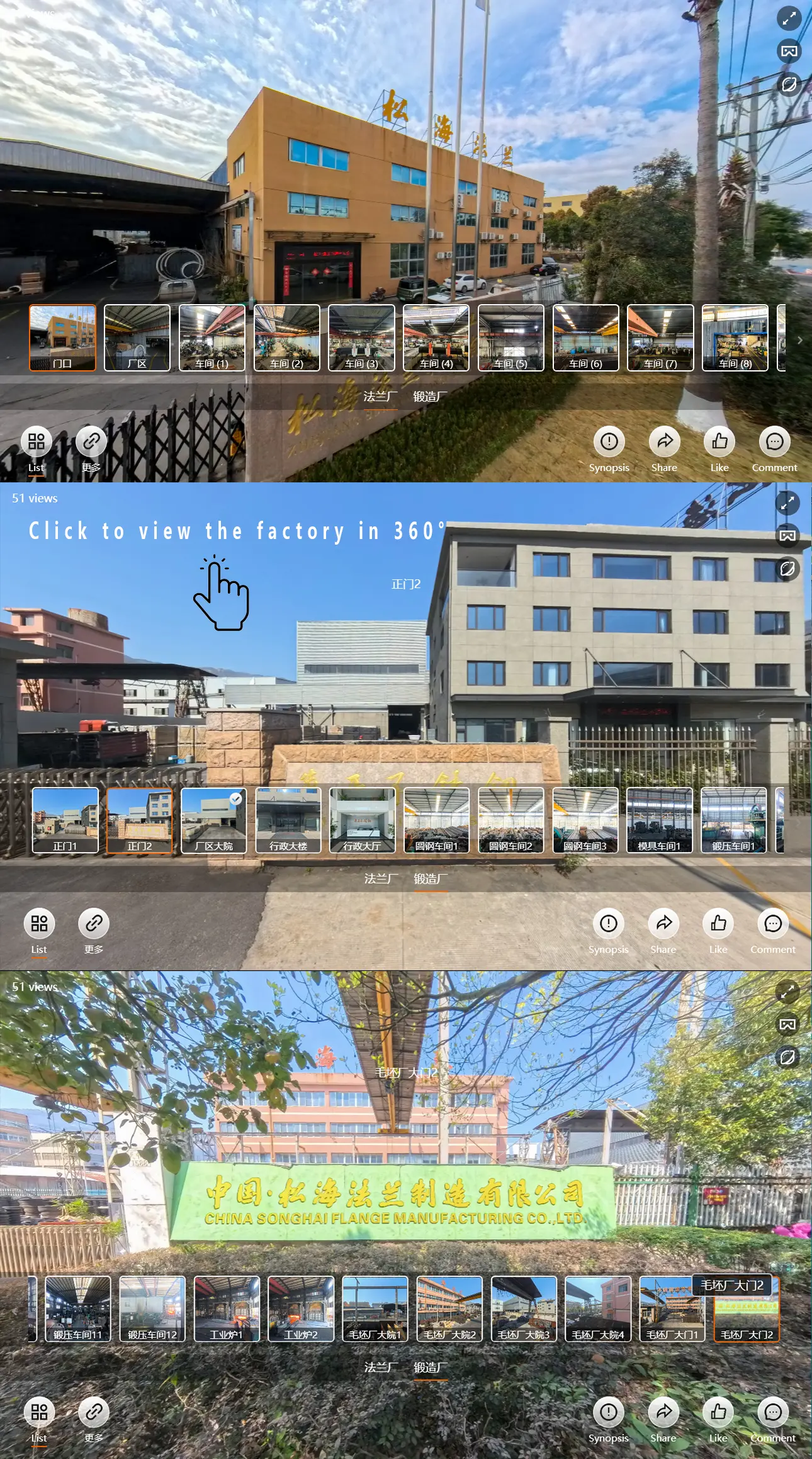
For projects requiring both standards, ensure your flange supplier can provide consistent quality across both specifications. Songhai Flanges manufactures both ASME B16.5 and B16.47 flanges with full traceability and certification, supporting projects from small-bore instrument lines to 60-inch main transmission headers.
Need expert guidance on flange selection for your project? Contact our technical team for application-specific recommendations and competitive quotations.
WhatsApp: +86-18658777855
Email: 1007788887@qq.com