Low-Temperature Carbon Steel Flanges for Siberian Pipelines: Arctic Service Solutions
Introduction: Engineering for Extreme Cold
Siberia’s harsh Arctic environment presents some of the most challenging conditions for pipeline infrastructure on Earth. With temperatures plunging to -60°C (-76°F) and permafrost terrain, standard carbon steel flanges become brittle and prone to catastrophic failure. This comprehensive guide covers the specialized low-temperature carbon steel (LTCS) flanges required for Siberian pipeline projects, from material selection to certification requirements.
Understanding Low-Temperature Service Challenges
The Ductile-to-Brittle Transition
Carbon steel undergoes a critical transformation as temperature decreases. Above the ductile-to-brittle transition temperature (DBTT), steel deforms plastically before failure. Below DBTT, the same steel fails suddenly with minimal deformation—a dangerous brittle fracture.
For Siberian applications, materials must maintain adequate toughness at:
- Design Temperature: Typically -50°C to -60°C for Arctic Russia
- Minimum Ambient: Record lows of -68°C in Yakutia region
- Operating Temperature: Product temperature may be higher, but shutdown conditions reach ambient
Consequences of Material Failure:
- Catastrophic pipeline rupture releasing oil/gas
- Environmental contamination in fragile Arctic ecosystems
- Extended downtime in remote locations (weeks for repairs)
- Safety hazards for personnel in extreme cold
- Massive financial losses from production interruption
Low-Temperature Carbon Steel Grades
ASTM/ASME Grades:
| Grade | Min. Design Temp | Impact Test Temp | Key Applications |
|---|---|---|---|
| A350 LF2 | -46°C (-50°F) | -46°C | Standard LTCS for Arctic service |
| A350 LF3 | -101°C (-150°F) | -101°C | Severe cold, LNG applications |
| A420 WPL6 | -46°C (-50°F) | -46°C | LTCS pipe fittings |
| A522 Type I | -195°C (-320°F) | -195°C | Cryogenic service |
GOST (Russian) Grades:
| Grade | Min. Design Temp | Impact Test Temp | Equivalent |
|---|---|---|---|
| 09Г2С (09G2S) | -70°C | -60°C to -70°C | Similar to A350 LF2 |
| 10Г2ФБЮ (10G2FBU) | -60°C | -60°C | Microalloyed LTCS |
| 12ГН2МФА (12GN2MFA) | -70°C | -70°C | Ni-Mo-V alloyed |
Key Material Requirements for Siberian Service
1. Charpy V-Notch Impact Testing
The most critical test for LTCS flanges is the Charpy impact test, which measures energy absorption during fracture:
- Minimum Average: 20 Joules (15 ft-lbs) at design temperature
- Minimum Single: 15 Joules (11 ft-lbs) for any specimen
- Test Specimens: 3 specimens per heat, sub-size if material thickness limits
- Test Temperature: At or below minimum design temperature
2. Chemical Composition Control
LTCS grades require tight chemistry control:
A350 LF2 Typical Composition:
| Element | Max % | Purpose |
|---|---|---|
| Carbon (C) | 0.30 | Limited for weldability and toughness |
| Manganese (Mn) | 1.35 | Strength and hardenability |
| Silicon (Si) | 0.30 | Deoxidizer |
| Phosphorus (P) | 0.035 | Embrittlement element – strictly limited |
| Sulfur (S) | 0.040 | Embrittlement element – strictly limited |
| Nickel (Ni) | 0.40 | Improves low-temp toughness |
09Г2С (Russian Grade) Typical Composition:
| Element | Range % | Purpose |
|---|---|---|
| Carbon (C) | 0.05-0.12 | Low carbon for toughness |
| Manganese (Mn) | 1.30-1.70 | Primary strengthening element |
| Silicon (Si) | 0.50-0.80 | Deoxidizer and strengthener |
| Nickel (Ni) | ≤0.30 | Toughness improvement |
3. Heat Treatment Requirements
Proper heat treatment is essential for achieving required toughness:
- Normalizing: Heat to 870-925°C, air cool. Refines grain structure.
- Quench & Temper: For thicker sections or higher strength requirements
- Stress Relief: Optional for welded components to reduce residual stresses
Flange Types for Arctic Pipeline Service
Recommended Types:
- Weld Neck Flanges (ASME B16.5/B16.47):
- Superior stress distribution
- Better fatigue resistance under thermal cycling
- Full penetration welds can be radiographed
- Preferred for critical Arctic service
- Long Weld Neck Flanges:
- Extended hub for additional reinforcement
- Used in vessel nozzles and special applications
Limited Use:
- Slip-On Flanges: Only for non-critical, low-pressure service (Class 150-300)
- Socket Weld Flanges: Small bore only (NPS 2″ and below)
- Threaded Flanges: Generally avoided in Arctic service due to leak risk
Siberian Pipeline Applications
Major Projects Using LTCS Flanges:
- Power of Siberia Pipeline: Gazprom’s 3,000 km gas pipeline to China through Far East
- Vankor Field Development: Rosneft’s Arctic oil field in Krasnoyarsk Krai
- Yamal LNG: Novatek’s liquefied natural gas facility on Yamal Peninsula
- East Siberia-Pacific Ocean (ESPO): Transneft crude oil pipeline
- Bovanenkovo-Ukhta: Gas transmission from Arctic fields
Typical Service Conditions:
| Parameter | Range |
|---|---|
| Ambient Temperature | -60°C to +35°C (extreme seasonal variation) |
| Product Temperature | -10°C to +60°C (heated crude, chilled gas) |
| Operating Pressure | 70-120 bar (main transmission lines) |
| Pipe Sizes | NPS 16″ to NPS 56″ (DN 400 to DN 1400) |
| Design Life | 30-50 years |
Manufacturing and Quality Control
Forging Requirements:
- Forging Ratio: Minimum 3:1 reduction for proper grain flow
- Grain Size: ASTM No. 5 or finer for optimal toughness
- Directionality: Test specimens oriented in critical directions
Mandatory Testing:
- Chemical Analysis: Spectrometry for all elements
- Mechanical Testing: Tensile, yield, elongation, hardness
- Impact Testing: Charpy V-notch at specified temperature
- Dimensional Inspection: All critical dimensions per standard
- Surface Inspection: Visual, MPI, or DPI for surface defects
- Ultrasonic Testing: For internal defects (especially thick sections)
- Hydrostatic Testing: Per ASME B16.5 Appendix A
Documentation Requirements:
- Material Test Reports (MTRs): EN 10204 3.1 or 3.2
- Impact Test Certificates: Actual values, not just “pass”
- Heat Treatment Records: Time-temperature charts
- NDE Reports: UT, MPI, DPI results
- Traceability: Heat number stamped on each flange
Certification for Russian Arctic Projects
Required Certifications:
- GOST R Certificate: Russian national standard compliance
- CU-TR (EAC) Mark: Eurasian Customs Union conformity
- RTN Approval: Rostekhnadzor (industrial safety authority)
- Gazprom/Transneft Vendor Qualification: Company-specific approval
- Arctic Certification: Special certification for -60°C service
Additional Requirements:
- Russian Language Documentation: All MTRs and certificates
- Local Testing: Some projects require testing at Russian laboratories
- Third-Party Inspection: Bureau Veritas, DNV, or Russian inspection companies
- Batch Testing: Impact tests on production batches, not just qualification
Packaging and Transportation
Special Considerations for Arctic Delivery:
- Corrosion Protection: VCI inhibitors + protective coating (flanges may sit outdoors for months)
- Face Protection: Wooden or plastic protectors on sealing surfaces
- Crating: Heavy-duty wooden crates for sizes NPS 18″ and above
- Labeling: Bilingual (English/Russian) with heat numbers visible
- Climate Considerations: Avoid moisture entrapment that could freeze and damage surfaces
Transportation Routes:
- Trans-Siberian Railway: Most common for Chinese/European suppliers
- Northern Sea Route:夏季 maritime delivery to Arctic ports
- River Barges: Ob, Yenisei, Lena rivers for inland sites
- Ice Roads: Winter-only truck delivery to remote fields
Installation Best Practices in Arctic Conditions
Cold Weather Welding:
- Preheat to 100-150°C before welding (even for LTCS)
- Use insulated welding blankets to maintain interpass temperature
- Protect weld area from wind and precipitation
- Allow controlled cooling to prevent rapid quenching
- Extended preheat for thick sections and high restraint
Bolting in Cold Weather:
- Store bolts in heated containers before installation
- Use low-temperature compatible lubricants on threads
- Torque values may need adjustment for ambient temperature
- Consider thermal contraction in flange alignment
Gasket Selection:
- Spiral Wound: 304SS/Graphite for temperatures to -200°C
- Ring Joint: Soft iron or 304SS for RTJ flanges
- Avoid: Standard rubber or non-asbestos fiber gaskets below -40°C
Common Mistakes to Avoid
- ✗ Using standard A105 carbon steel: Will fail in Arctic temperatures
- ✗ Skipping impact testing: Chemistry alone doesn’t guarantee toughness
- ✗ Improper heat treatment: As-forged condition insufficient for LTCS
- ✗ Mixing materials: LTCS flanges with standard steel bolts causes issues
- ✗ Inadequate documentation: Russian inspectors reject incomplete MTRs
- ✗ Poor storage on site: Flanges left unprotected in snow/ice
Cost Implications
LTCS vs Standard Carbon Steel:
| Cost Factor | Standard A105 | LTCS A350 LF2 | Premium |
|---|---|---|---|
| Material Cost | Baseline | +25-40% | Higher alloy control |
| Testing Cost | Minimal | +15-20% | Impact testing required |
| Certification | Standard | +10-15% | Additional approvals |
| Lead Time | 4-6 weeks | 8-12 weeks | Special production |
While LTCS flanges cost more, the price of failure in Arctic conditions is far higher. The premium is justified insurance against catastrophic failure.
Conclusion
Siberian pipeline projects demand specialized low-temperature carbon steel flanges engineered for extreme Arctic conditions. Success requires:
- ✓ Proper material selection (A350 LF2/LF3 or 09Г2С)
- ✓ Mandatory Charpy impact testing at design temperature
- ✓ Controlled heat treatment for optimal toughness
- ✓ Comprehensive certification for Russian market
- ✓ Careful installation practices in cold weather
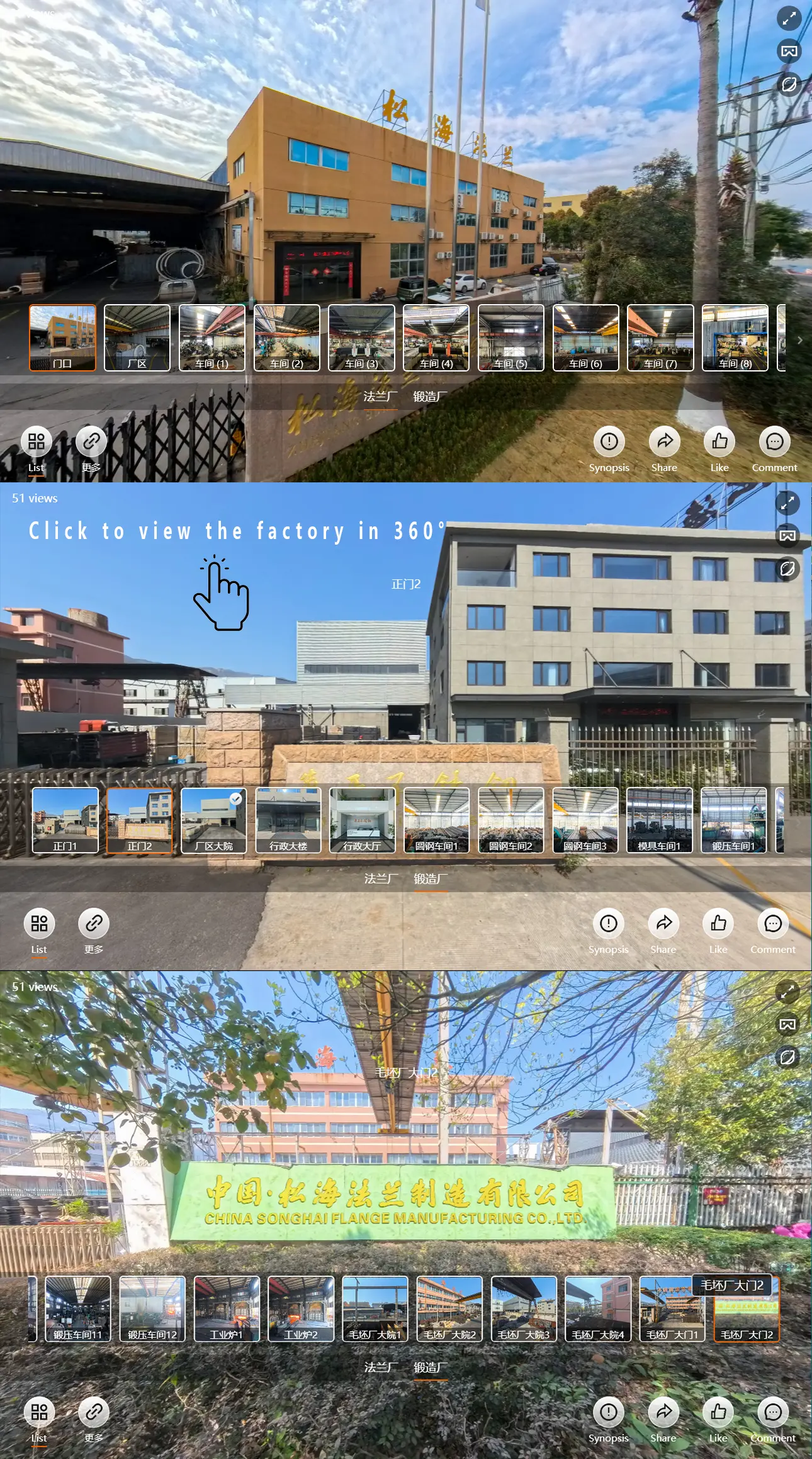
Songhai Flanges specializes in low-temperature carbon steel flanges for Arctic pipeline projects. We supply A350 LF2/LF3 and 09Г2С flanges with full CU-TR and RTN certification, impact test reports, and Russian-language documentation. Our products serve major Gazprom, Transneft, and Rosneft projects across Siberia. Contact us for technical consultation and competitive quotations.
WhatsApp: +86-18658777855
Email: 1007788887@qq.com