Types of Pipe Joints: A Complete Guide for Industrial Piping Systems
Introduction to Pipe Joints in Industrial Applications
Pipe joints are the critical connection points that determine the integrity, safety, and efficiency of any piping system. Whether you’re working in oil and gas, chemical processing, power generation, or water treatment, understanding the different types of pipe joints is essential for proper system design and maintenance.
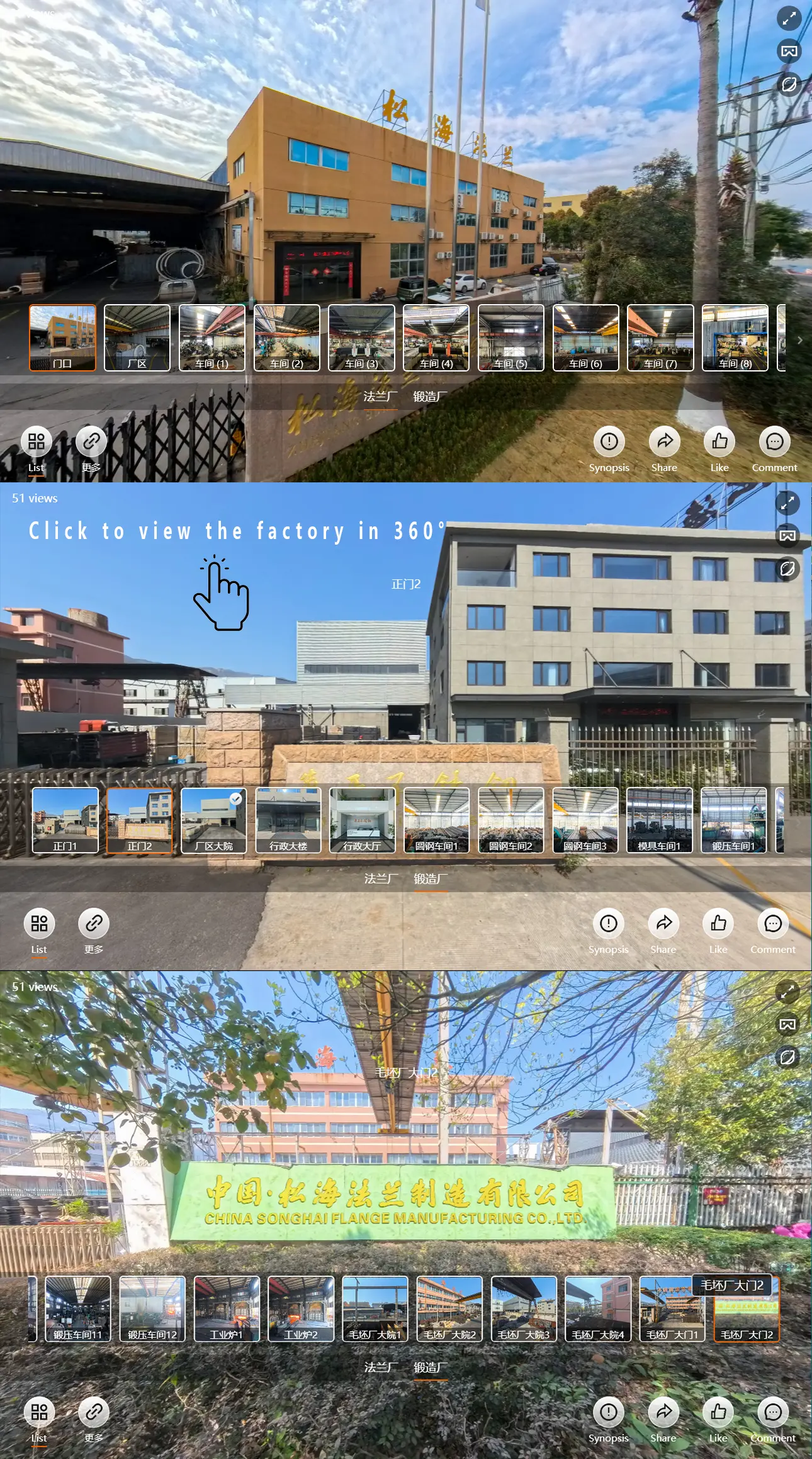
At Songhai Flange, with over 30 years of manufacturing experience since 1994, we’ve seen how the right joint selection can prevent costly downtime and ensure long-term system reliability.
Welded Pipe Joints: Permanent and Leak-Proof
Butt Weld Joints
Butt weld joints represent the gold standard for permanent piping connections. These joints involve beveling the pipe ends and welding them together, creating a continuous metal path with no internal crevices.
Key advantages:
- 100% leak-proof when properly welded
- Smooth internal surface minimizes pressure drop
- Ideal for high-pressure and high-temperature applications
- No maintenance required after installation
Socket Weld Joints
Socket weld joints involve inserting the pipe into a recessed area of a fitting or flange and welding around the perimeter. These are typically used for smaller diameter pipes (under 2 inches).
Flanged Pipe Joints: Removable and Versatile
Flanged joints connect pipes using bolted flanges with a gasket between them. This is the most common joint type in industrial piping where disassembly may be required.
Flange Types by Connection Method
- Weld Neck Flanges: Butt-welded to pipe, ideal for high-pressure/temperature
- Slip-On Flanges: Slid over pipe and welded, cost-effective for lower pressure
- Threaded Flanges: Screwed onto pipe, no welding required
- Socket Weld Flanges: For small diameter high-pressure piping
- Lap Joint Flanges: Used with stub ends for easy alignment
- Blind Flanges: Close off pipe ends
Threaded Pipe Joints: Quick and Simple
Threaded joints use tapered pipe threads (NPT) to create a mechanical seal. While not suitable for high-pressure applications, they offer quick installation without welding.
Material Compatibility and Selection
The joint material must match or exceed the pipe material specifications:
- Carbon Steel (A105, A234 WPB): General service up to 800°F
- Stainless Steel (304/304L, 316/316L): Corrosive service, food grade, marine
- Low-Temp Carbon Steel (A350 LF2): Cryogenic and cold climate service
- Chrome-Moly (F11, F22, F91): High-temperature power generation
Industry Standards and Compliance
Quality pipe joints must comply with recognized standards:
- ASME B16.5: Pipe flanges and flanged fittings
- ASME B16.9: Factory-made wrought butt weld fittings
- ASME B16.11: Forged fittings, socket weld and threaded
- API 6A: Wellhead and christmas tree equipment
- ISO 7005: Metallic flanges international standard
Conclusion
Selecting the right type of pipe joint is fundamental to piping system success. Consider pressure, temperature, fluid properties, maintenance requirements, and total installed cost when making your decision.
Songhai Flange manufactures precision flanges and pipe fittings to ASME, DIN, JIS, and GB standards. Our ISO 9001:2008 certified facility ensures every product meets the highest quality requirements.
WhatsApp: +86-18658777855
Email: 1007788887@qq.com