Threaded and Socket Weld Flanges: Applications, Installation, and Best Practices
Specialized Flange Connections for Critical Applications
Threaded and socket weld flanges serve specialized roles in piping systems where standard welded connections are impractical. Understanding their unique characteristics ensures proper selection and installation.
Threaded Flanges: Weld-Free Connections
Design Features
Threaded flanges have internal threads that match the external threads on the pipe, eliminating the need for welding in the connection.
Advantages
- No Welding Required: Ideal where hot work permits are restricted
- Quick Installation: Simple make-up with pipe dope or sealant
- Easy Disassembly: Can be removed for maintenance without cutting
- Cost Savings: Eliminates welding labor and inspection costs
Limitations
- Pressure Limitations: Generally limited to Class 300 and below
- Temperature Restrictions: Not recommended for severe thermal cycling
- Leak Potential: Threaded connections more prone to leakage than welded
- Size Range: Typically available up to 4″ (DN100)
Thread Standards
- NPT (National Pipe Tapered): North American standard (ASME B1.20.1)
- BSP (British Standard Pipe): European/Asian standard (ISO 7-1)
- BSPT vs BSPP: Tapered vs parallel threads
Best Practices for Threaded Flange Installation
- Thread Preparation: Clean and inspect threads for damage
- Sealant Application: Use appropriate pipe dope or PTFE tape
- Engagement: Hand-tighten plus 2-3 turns with wrench
- Orientation: Position flange before final tightening
- Avoid Over-torquing: Can crack flange or damage threads
Typical Applications
- Instrument connections and gauge lines
- Low-pressure utility piping (air, water)
- Temporary or modular piping systems
- Explosive environments where welding is prohibited
- Galvanized piping systems
Socket Weld Flanges: Compact High-Pressure Solutions
Design Features
Socket weld flanges have a counterbore (socket) that accepts the pipe end, with a single fillet weld on the outside diameter.
Advantages
- Compact Design: Smaller overall dimensions than weld neck
- Good Flow: Smooth bore when properly installed
- Strong Connection: Suitable for high-pressure service
- Reduced Welding: Only one external fillet weld required
Limitations
- Size Restriction: Limited to 2″ (DN50) and smaller
- Crevice Corrosion: Gap between pipe and socket can trap corrosive media
- Installation Sensitivity: Requires proper gap for thermal expansion
- Inspection: Limited NDE options for socket weld
Critical Installation Requirement: Expansion Gap
ASME B31.1 requires a 1/16″ (1.6mm) gap between the pipe end and the socket shoulder before welding. This gap accommodates thermal expansion and prevents stress cracking.
Socket Weld Installation Steps
- Insert Pipe: Slide pipe into socket until it bottoms out
- Mark Position: Mark pipe at flange face
- Create Gap: Pull pipe out 1/16″ from marked position
- Tack Weld: Secure with tack welds
- Final Weld: Complete fillet weld around circumference
- Inspect: Visual inspection for weld quality
Typical Applications
- High-pressure instrument tubing
- Hydraulic and pneumatic systems
- Steam tracing lines
- Chemical injection lines
- Small-bore process connections
Material Considerations
الشفاه الملولبة
- Carbon Steel: A105, A182 F11, F22
- Stainless Steel: 304/304L, 316/316L, 321
- Alloy Steel: F5, F9, F91 for high temperature
حواف اللحام المقبس
- Carbon Steel: A105, A350 LF2
- Stainless Steel: 304/304L, 316/316L
- Duplex: 2205 for corrosive service
Comparison: Threaded vs Socket Weld
| Factor | Threaded | Socket Weld |
|---|---|---|
| Maximum Size | 4″ (DN100) | 2″ (DN50) |
| Pressure Rating | Class 150-300 | Class 150-2500 |
| Welding Required | No | Yes (fillet weld) |
| Installation Speed | Fast | Moderate |
| Leak Resistance | Moderate | Excellent |
| Maintenance | Easy disassembly | Requires cutting |
| Cost | Lower | Moderate |
Industry Standards
Both flange types are covered by major standards:
- ASME B16.5 – Pipe flanges and flanged fittings
- ASME B16.11 – Forged fittings, socket-welding and threaded
- MSS SP-79 – Socket welding reducing inserts
- EN 1092-1 – Steel flanges and their joints
Quality from an Experienced Flange Manufacturer
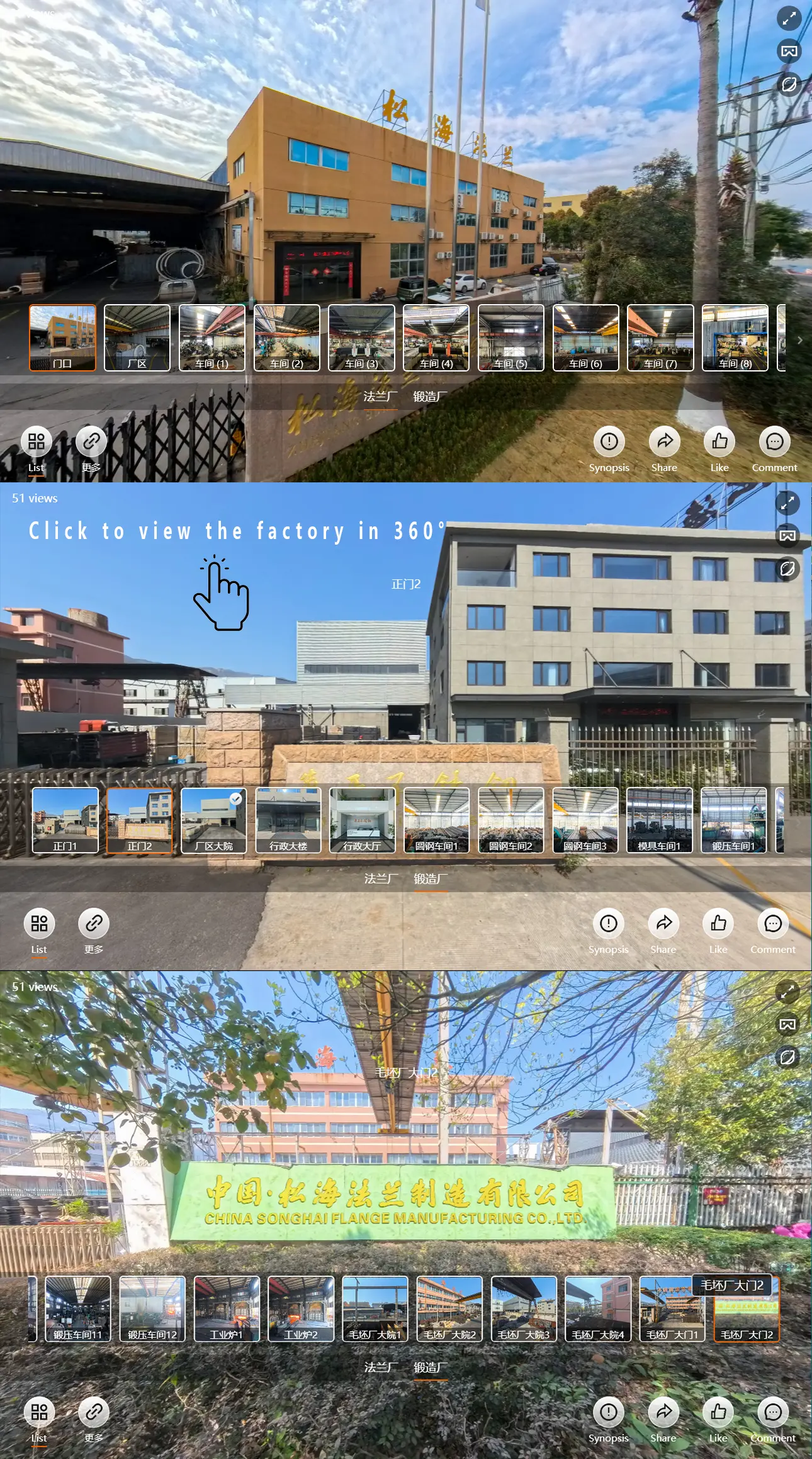
Thread accuracy and socket dimensions are critical for proper performance. Songhai’s CNC machining ensures precise thread profiles and socket tolerances for all threaded and socket weld flanges.
اتصل بنا for your specialized flange requirements. We stock extensive inventory of threaded and socket weld flanges in carbon steel and stainless steel.
WhatsApp: +86-18658777855
Email: 1007788887@qq.com